





Before the era of start-to-finish streaming, on-screen glucose monitoring, and owning a small rectangle that lets you read Swedish teenagers arguing about W/kg on Reddit whenever you want, the Tour de France lived in a sacred window.
It was the mid-90s and you flicked on Channel 4 just in time for teatime. Then, the iconic synth bassline of Pete Shelley’s theme track would kick in, and for the next 30 minutes, you were transported to a completely different world.
We didn’t have drone shots tracking real-time VAM. We didn’t have eight-hour marathon broadcasts analyzing the aerodynamic penalty of unzipped jerseys. We had Gary Imlach furrowing his brow, served up alongside a plate of fish fingers.
The Sacred Half Hour
In pioneering the live streamed cycling broadcast, we contributed to making modern cycling coverage what it is. First satellite television, then more importantly the internet, made it possible for fans to see every single minute of transition stages across the French countryside.
And, look. That’s good. We kind of have to say it, but it’s true.
Still, the Channel 4 highlights package was an exercise in narrative perfection. By boiling a 200-kilometer stage down to a 26-minute hit, the producers eliminated the catenaccio racing and delivered a visit to the Tour. Yes, complete with local fromageries.
You got the early breakaway forming, the crosswind panic, and the final kilometers up an unpronounceable Alpine pass. Plus three minutes of ads, a sarcastic look at the region’s most famous cow, and a look at the next day’s race. All tightly packed into a digestible narrative.
Suitcases of Courage and Sardonic Wit
The real genius of the Channel 4 era, however, was the voices guiding us through the race.
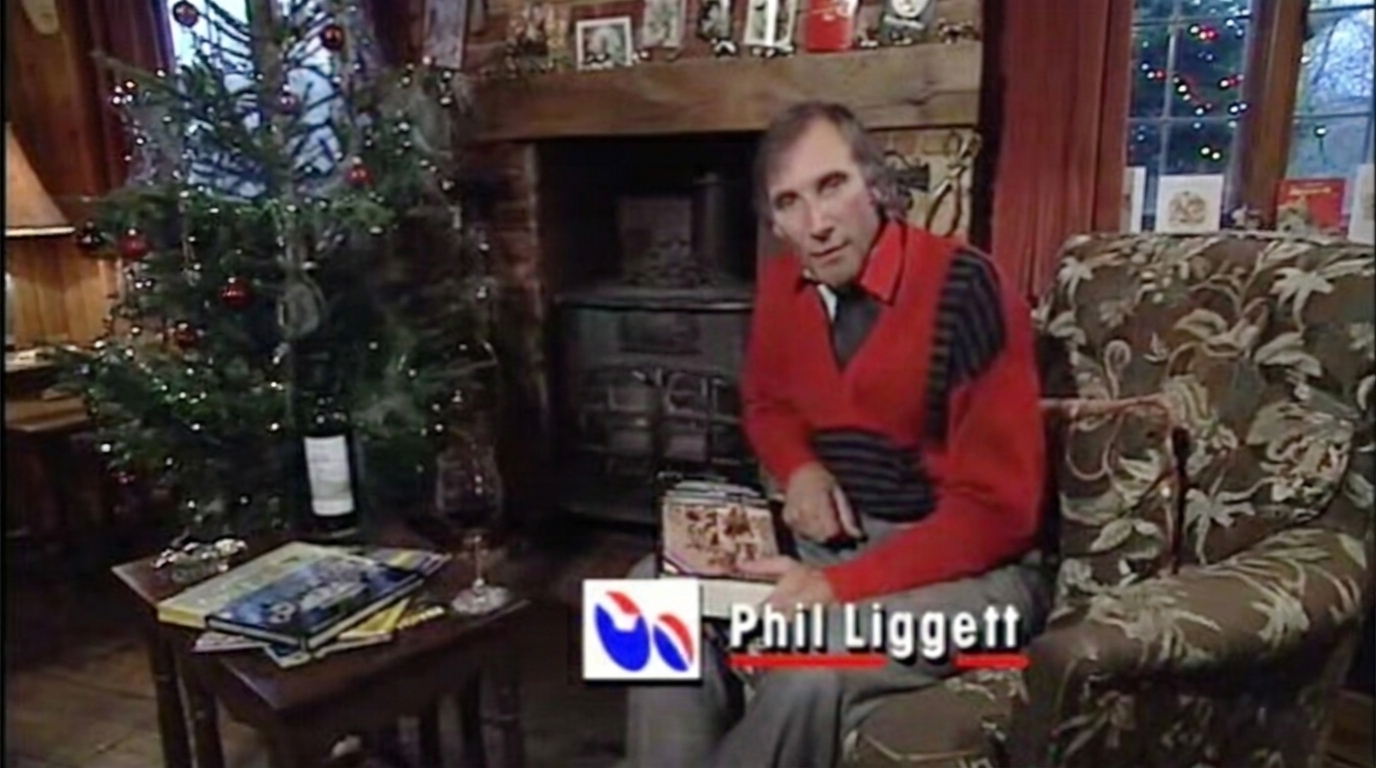
Phil Liggett and Paul Sherwen were the soundtrack to July. Liggett’s voice would crack and reach a hysterical pitch as someone reached deep into their “suitcase of courage” to launch a doomed attack. They painted pictures rather than reading spreadsheets. They built the mythology of the sport, turning gaunt, suffering athletes into modern-day gladiators. Sure, half the peloton was glowing in the dark with EPO, but Phil and Paul made the spectacle feel majestic.
And anchoring it all was Gary Imlach. Standing in a sun-baked provincial French square, Imlach was the cynical counterweight to the on-road hysterics. He delivered deadpan, sardonic summaries of the day’s carnage with a raised eyebrow, refusing to suffer fools or buy into the corporate PR machine. He treated the race with the reverence it deserved while simultaneously letting you know that the entire traveling circus was completely absurd.
We Traded Romance for Data
Today, the mystery is dead, and with it the magic. We know how many watts it takes to hold the wheel on Mont Ventoux. We can pull up a rider’s Strava file and analyze their heart rate before they’ve even reached the team bus.
We gained transparency, but we lost the romance. The teatime Channel 4 broadcast cared about the feeling of the sport. For thirty minutes each evening, we visited the race, and saw what we saw. It made us fall in love with cycling because it prioritized the storytelling. It was flawed, and it was magnificent.


