

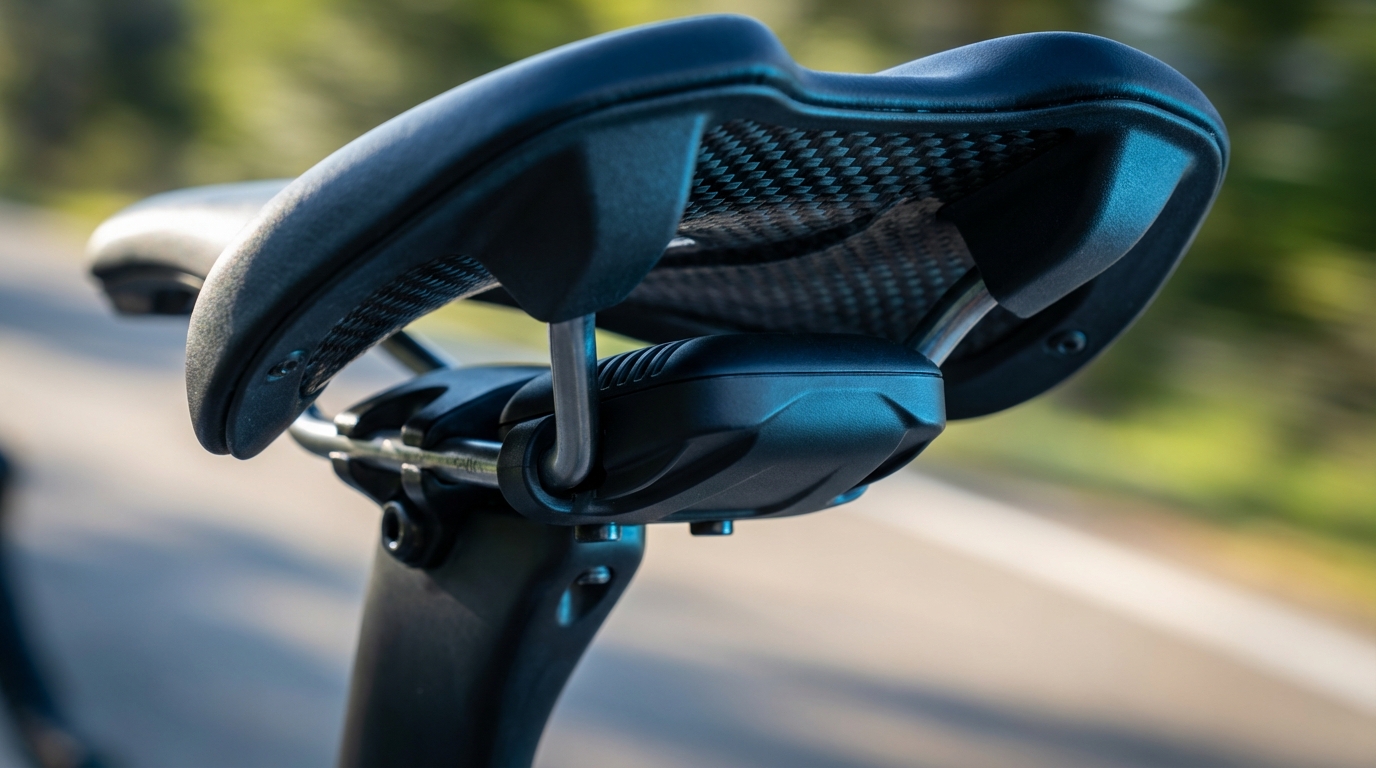

In a significant and necessary step toward improving rider safety, the UCI has officially announced a mandate for live GPS trackers across the professional peloton. According to a letter sent to teams by UCI President David Lappartient, the governing body is implementing new protocols to ensure that the exact location of every rider on the course is monitored in real-time.
Closing a Critical Safety Gap
The urgent push for this technology follows the devastating loss of 18-year-old Swiss rider Muriel Furrer at the World Championships in Zurich. After suffering a heavy crash in a wooded section of the route, Furrer remained undiscovered for a significant period before emergency services could reach her.
Her tragic passing highlighted a glaring vulnerability in the sport’s safety infrastructure: despite extensive television coverage and data tracking, there was no failsafe system in place to instantly locate a rider who had gone off the road out of sight of the cameras and support cars.
Moving Beyond Timing Chips
Historically, the peloton has relied on basic transponders. These function primarily as timing chips, registering a rider’s location only when they cross specific, pre-determined checkpoints along the route. If a crash occurred between these points, race control and team directors often had to rely on frantic radio communication or reports from other riders to realize someone was missing.
The new GPS trackers, which will be mounted discreetly under the saddle, change this dynamic entirely. They will continuously transmit a rider’s coordinates. More importantly, the system is designed to trigger an immediate alert to both the team car and race medical staff if a rider unexpectedly stops or their speed drops in an unnatural way. This ensures that emergency services can be dispatched instantly to a precise location.
A Phased Implementation
The UCI has already laid the groundwork for this mandate, successfully testing the technology during the Tour de Suisse and the Kigali World Championships late last year.
According to Lappartient’s letter, the mandate will be phased in across various racing categories. Interestingly, the UCI is not forcing teams to use a single, centralized hardware provider. Instead, teams are permitted to collaborate with their own GPS technology partners, provided the chosen system meets the UCI’s strict safety and data transmission guidelines. Teams have until April 30 to submit their technical proposals for approval.
While it cannot undo the heartbreaking losses the cycling community has suffered, the implementation of live GPS tracking is a vital modernization of the sport. Ensuring that every rider is accounted for at all times is a fundamental necessity, and this mandate will undoubtedly make the peloton a safer place moving forward.