
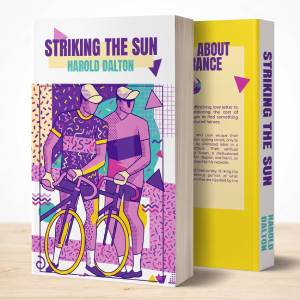
STRIKING THE SUN
The 550-page literary epic exploring the cost of greatness.
News and Features
After two weeks of getting shut down, Jasper Philipsen finally put an end to his Tour de France drought in Voiron . Guided by a Mathieu van der Poel lead-out on a chaotic 174.7-kilometer rolling stage, the Alpecin-Premier Tech sprinter out-kicked Mauro Schmid and Olav Kooij for his 11th career Tour victory . The win marks a hat-trick of consecutive Belgian stage wins and slashes Mads Pedersen’s green jersey lead down to a razor-thin seven points
Richard Mille and Breitling just dropped their Tour de France luxury cash-in watches. We break down Breitling’s stunning Eddy Merckx tribute and relentlessly mock Richard Mille’s $1,000,000 Colnago collaboration that looks entirely like a plastic children’s toy.
The corporate spin cannot hide the empty conference halls. Eurobike attendance officially cratered by over 50% this year, forcing organizers into a desperate “transformation” that slides the historic cycling trade show into a biennial, every-two-years schedule.
Your ultimate guide to the 2026 Tour de France. We break down the brutal 21-stage route, the top GC favorites, and the essential historical stats.

Gear
View MoreThe corporate fashion world has finally come for the peloton. Pharrell Williams just debuted a bespoke, Louis Vuitton-monogrammed Pinarello Dogma F at Paris Fashion Week, and we have some very unfiltered thoughts about it.
Trending
Produced by Cyclry TV
Is the pro peloton run by mastermind geniuses, or just fragile egos and cheap sponsors? In this chapter deep dive, we analyze Chapter 8 of Striking the Sun, dissecting the banality of capital, corporate incompetence, and why the hardest part of the pro dream is paying your own baggage fees.
The grand, heroic narrative of elite professional cycling is a heavily mediated corporate lie. In our latest deep dive into Chapters 6 and 7 of Striking the Sun, we strip away the romantic illusions of the peloton to expose the brutal, unglamorous reality of physical degradation, corporate hazing, and penny-pinching team management.
Dismantling the fragile performance of “becoming.” We dive deep into Chapter 5 of Striking the Sun to analyze the striking structural parallels between an amateur indie filmmaker playing the auteur and Dominic’s shaky early steps toward a professional cycling career.
This conclusion examines how English-language media constructs the very meaning of professional cycling. From Anglo-Saxon bias to historical romanticism, we explore how narratives are shaped—and how fans still find ways to resist them.