

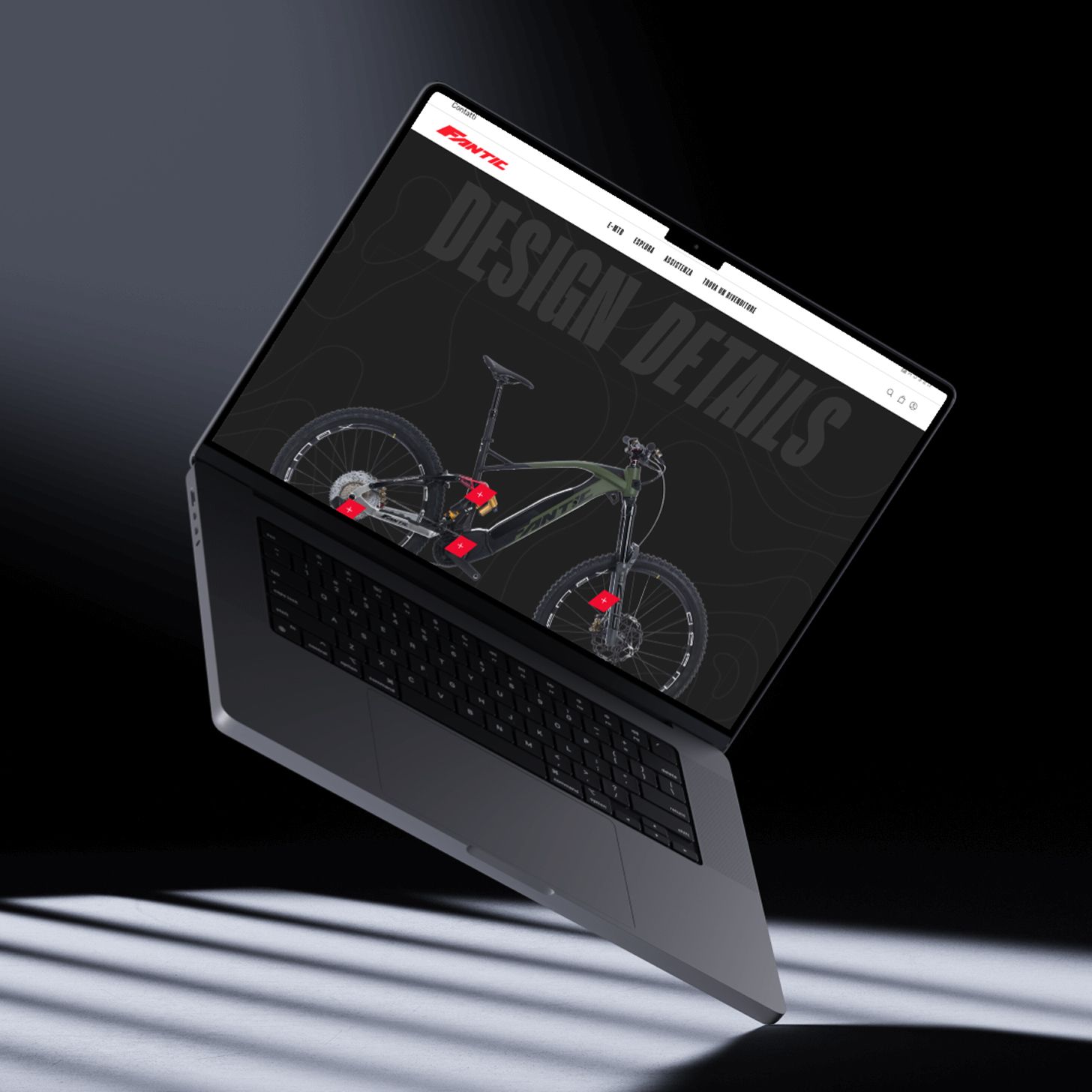

Is this news? Like, is a new website news? It’s certainly something a company does and thinks is news, then writes a press release about it and ends up getting some coverage from a random website that starts its article with ‘Is this news?’
We don’t know Fantic bikes. We did like the aesthetic of their press release, although not enough to screenshot it for you. Anyway, to learn more, we scrolled to the bottom of their email and the first sentence said “Fantic Motor was founded in 1968 and quickly established itself as one of the symbols of European motorcycle culture, thanks to iconic models such as the Caballero, capable of perfectly capturing the spirit of freedom and rebellion of an entire generation.”
Well sure, whatever. Guess it’s an e-bike. Actually, an e-mtb apparently.
Wait, stop thinking about bikes. This is about websites. Websites designed to deliver a more complete digital experience and guide users throughout the entire discovery and purchasing journey. Which, again, seems more like internal strategy than external marketing messaging, but what would we know about that.
“A brand known for breaking conventions, Fantic has built its identity by interpreting youth culture, combining a rebellious spirit with a strong racing DNA.” We get it. We see why they sent it to us specifically. But we don’t feel like linking to them since we found out how much we can charge for adding links to these articles.
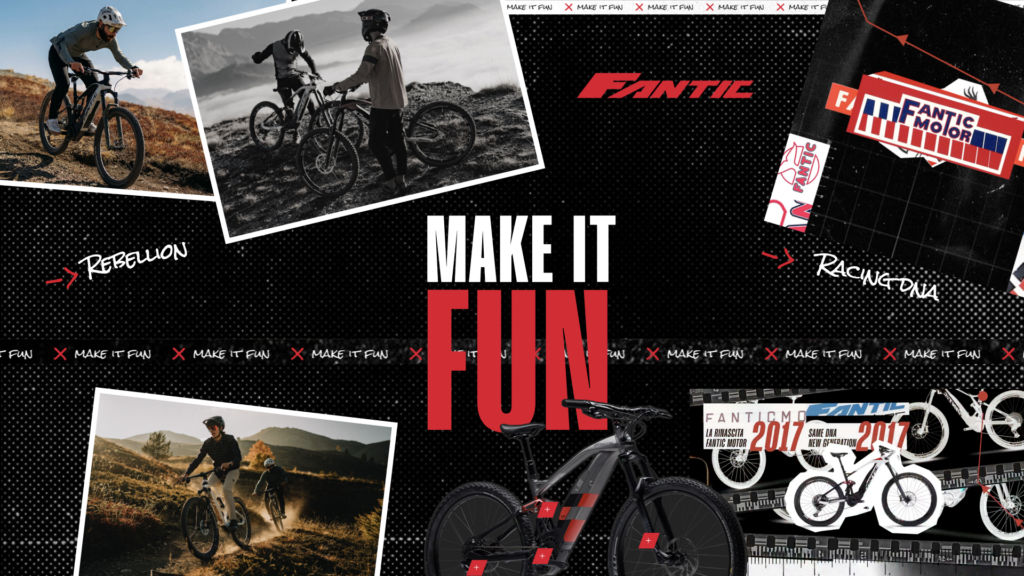
Fantic says “Alongside the digital project, [we have] introduced a brand restyling unveiling the new claim #makeitfun and a refreshed visual identity, from new fonts to graphic and creative elements, designed to express the brand’s rebellious and racing character even more directly.”
And, we must come full-circle here: Is this news?